
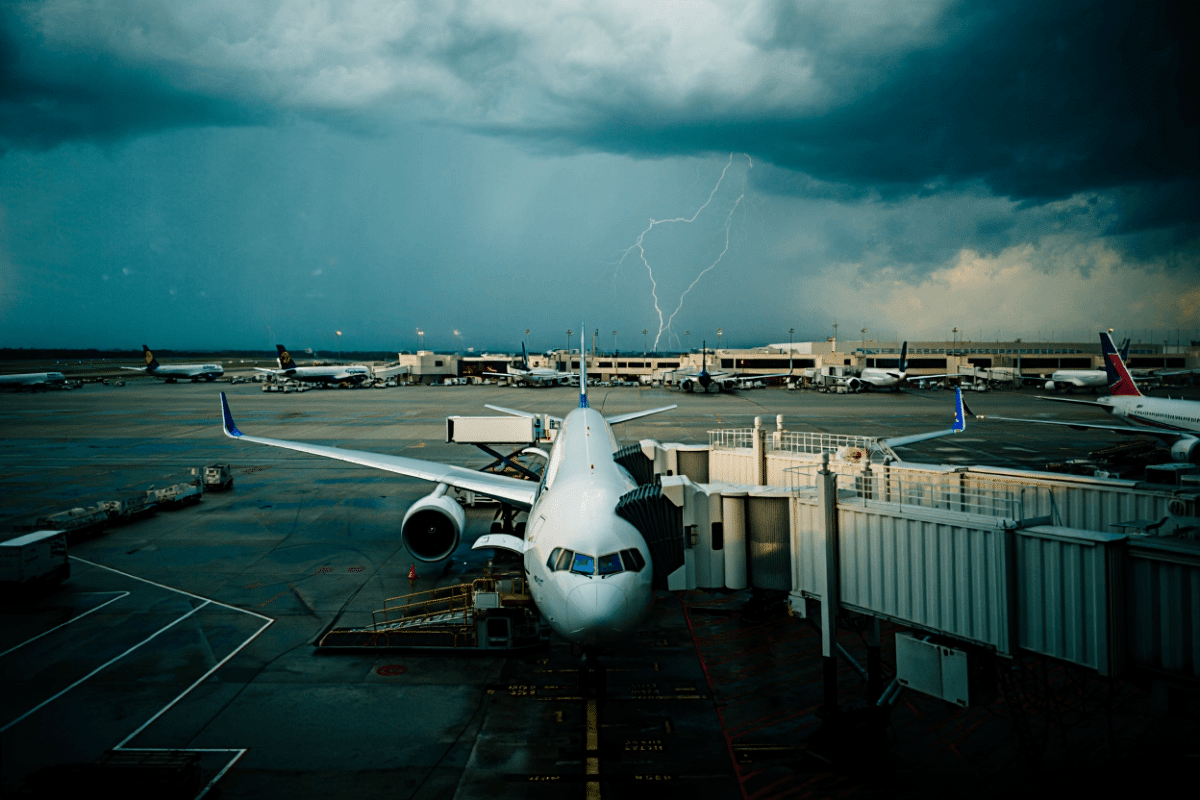
Memorial Day Travel Chaos: Severe Texas Storms Trigger Massive DFW Ground Stop : dfw ground stop
round stop quickly cascades into a nationwide logistical nightmare. When planes cannot land or depart from North Texas, crews and aircraft fall out of position from New York to Los Angeles.
The numbers from the last 24 to 48 hours paint a stark picture of the gridlock facing travelers:
| Airport | Flight Cancellations | Flight Delays | Average Gate/Taxi Wait Time |
| Dallas-Fort Worth (DFW) | 400+ | 700+ | 60+ minutes |
| Dallas Love Field (DAL) | 55 | 90+ | 30+ minutes |
What exactly is a ground stop? It is an air traffic control measure that halts flights bound for a specific airport at their origin cities. If your plane is scheduled to fly to Dallas from Chicago, the FAA will keep your plane on the tarmac in Chicago until the severe weather gridlock in Texas clears up.
Why the FAA Halted Traffic
While frustrating, ground stops are strictly implemented for the safety of passengers and airport staff.
-
Ramp Safety: Ground crews cannot safely load luggage, guide planes, or refuel aircraft when active cloud-to-ground lightning strikes are within a few miles of the airfield.
-
Severe Flash Flooding: The National Weather Service issued a severe thunderstorm watch and flash flood warnings across central and North Texas, predicting localized totals of 3 to 5 inches of rain.
-
Airspace Congestion: Heavy cells force inbound planes into holding patterns. Once the holding patterns fill up, the FAA has no choice but to stop more planes from entering the sky.
The Holiday Weekend Outlook: What You Should Do
This severe weather system is hitting at the worst possible time. DFW airport officials had just projected a 5.8% increase in Memorial Day travel compared to last year, with Thursday, May 21, and Friday, May 22, marked as the busiest travel days of the entire block.
If you have a flight scheduled through Dallas over the next 48 hours, use this tactical sequence to protect your itinerary:


About author


Add comment